Key takeaways
- Stacks, the agentic AI platform for enterprise finance, is integrating Atlar's bank connectivity, so its AI agents can reconcile from statements delivered by Atlar's direct connections to banks in over 100 countries.
- Reconciliation agents match on details like the payment reference and counterparty. Aggregator and open banking feeds often shorten or drop those details, while a direct bank connection can pass up to five times as much data per transaction.
- Atlar standardizes every statement into one ISO 20022 format, the same data Atlar's own agents use, so Stacks' agents can match more and reconcile every day.
- Epidemic Sound, Mangopay, Neko Health, and Nivoda use both platforms and will be among the first to connect, and Stacks customers who don't use Atlar yet can have their banks connected by Atlar's team.
Stacks, the agentic AI platform for enterprise finance, is integrating Atlar's bank connectivity, so its AI agents can reconcile and close the books from complete bank data.
Stacks builds AI agents for the month-end close, and finance teams at companies like Pleo, Motorway, and Bloom & Wild use them to handle reconciliations and journal entries. Through a new partnership with Atlar, those agents will work from bank statements delivered by Atlar's direct connections to banks in over 100 countries.
Reconciliation was one of the first jobs finance teams handed to AI agents, because the volume is high and the rules are well understood. It's also the job most exposed to data from outside the company. Every match starts with a line on a bank statement, and the agent has no say over how complete that line is.
Why AI agents need complete bank data
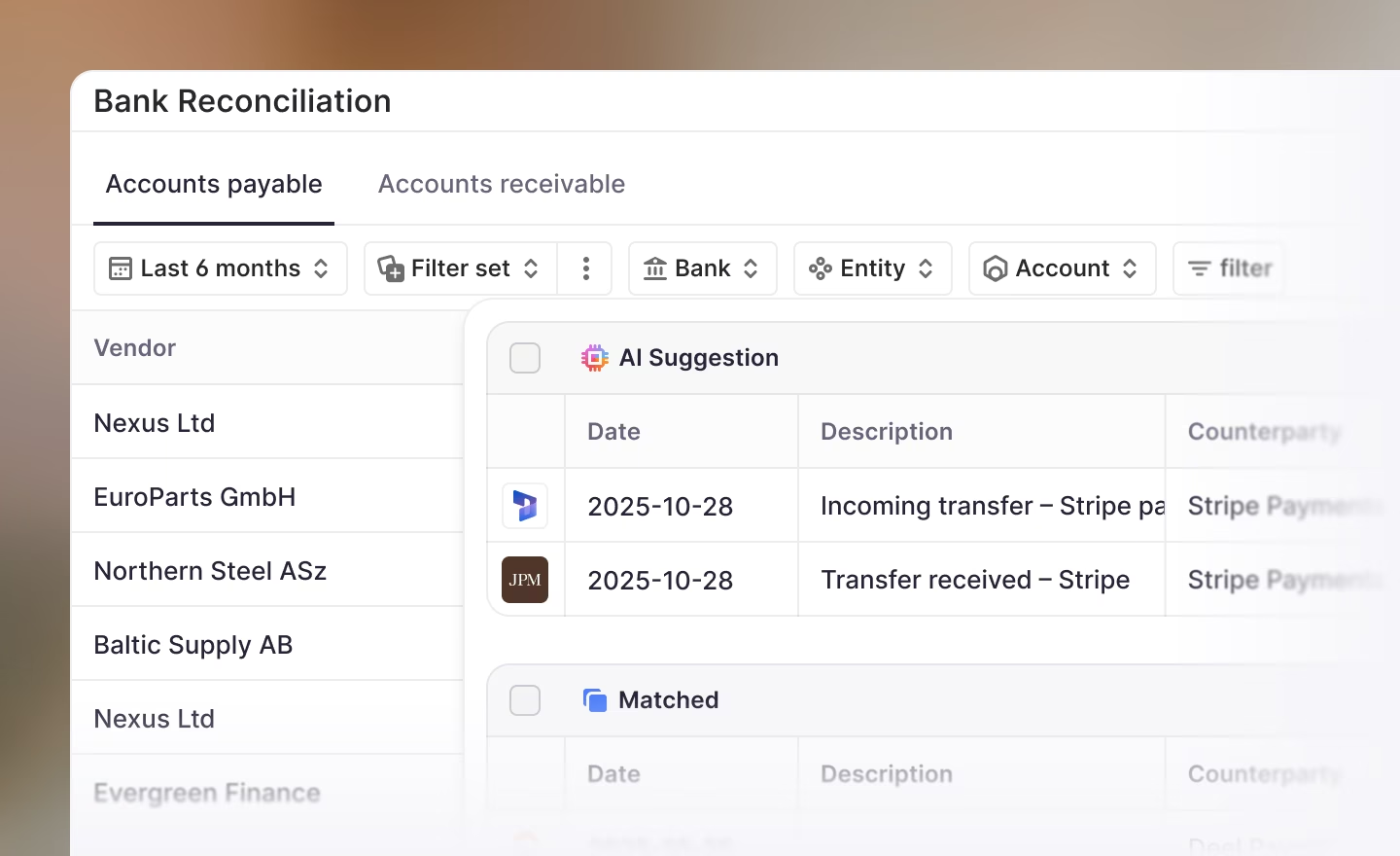
A reconciliation agent matches each transaction on details like the payment reference and the counterparty's name. Most finance software gets those details through aggregators and open banking APIs, which were built for consumer apps and often shorten descriptions, drop remittance information, or report a batch of payments as a single entry.
A direct bank connection can pass up to five times as much data per transaction. An incoming ACH payment from J.P. Morgan reaches Atlar with more than 15 data points, including the payer's name and ID, the trace number, a bank transaction code, and the invoice number the customer sent. Through an aggregator or open banking feed, the same payment can arrive as a description, an amount, and a date.
When the reference is missing, the agent has to guess what a payment was for, and the transaction either goes back to an accountant or, worse, gets matched to the wrong invoice. A thin feed is workable for a person scanning transactions. For an agent matching thousands of them, every missing field becomes an exception, and this is often where adoption stalls.
Bank data straight from the source
Atlar connects to each bank directly, through the bank's own APIs and host-to-host file channels, and builds and maintains every connection itself, so there are no credentials for customers to renew and no connections that lapse. Every statement is standardized into one ISO 20022 format, the global messaging standard that gives each piece of payment information its own field. Payment references and counterparty details arrive intact and in the same place, whichever bank the statement came from.
Atlar's own agents use the same data for cash positioning and reconciliation at companies like Lovable and Mangopay, across more than €450 billion in annualized transaction volume. Stacks pulls new statements over API as soon as they're available, so its agents can reconcile every day.
With complete bank data, more transactions match without anyone stepping in, and the exceptions that remain are the ones that need an accountant's judgment. Because statements arrive daily, reconciliation keeps pace through the month and less is left for the final days of the close. When a company opens accounts with a new bank or in a new country, those statements arrive in the same format as the rest.
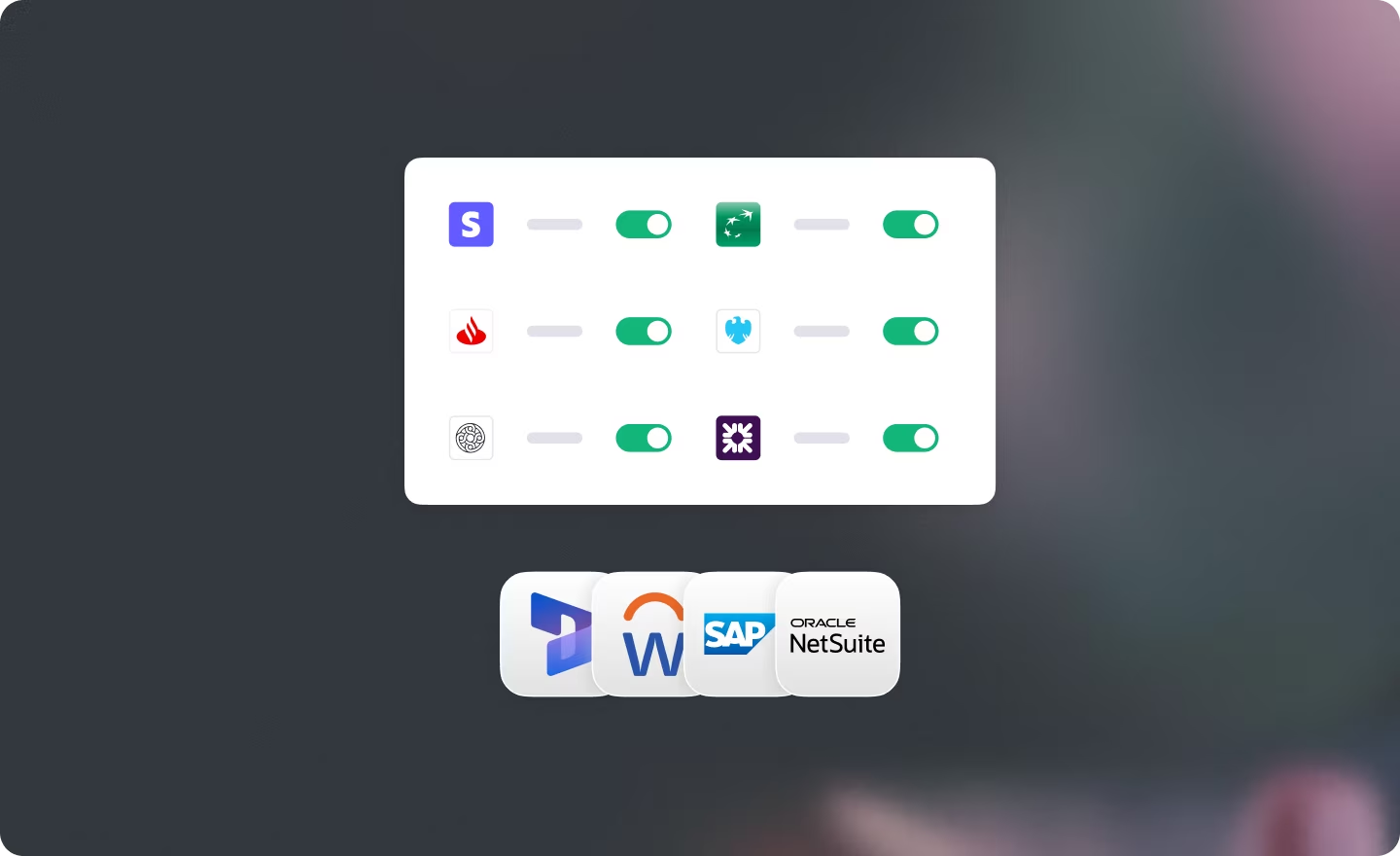
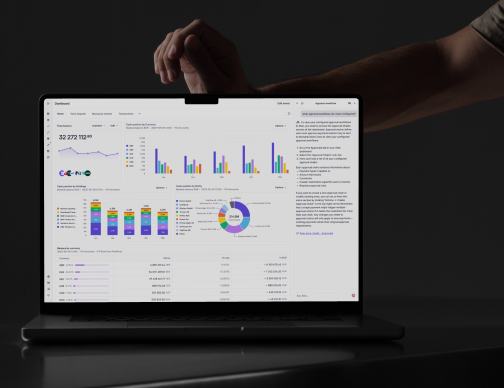
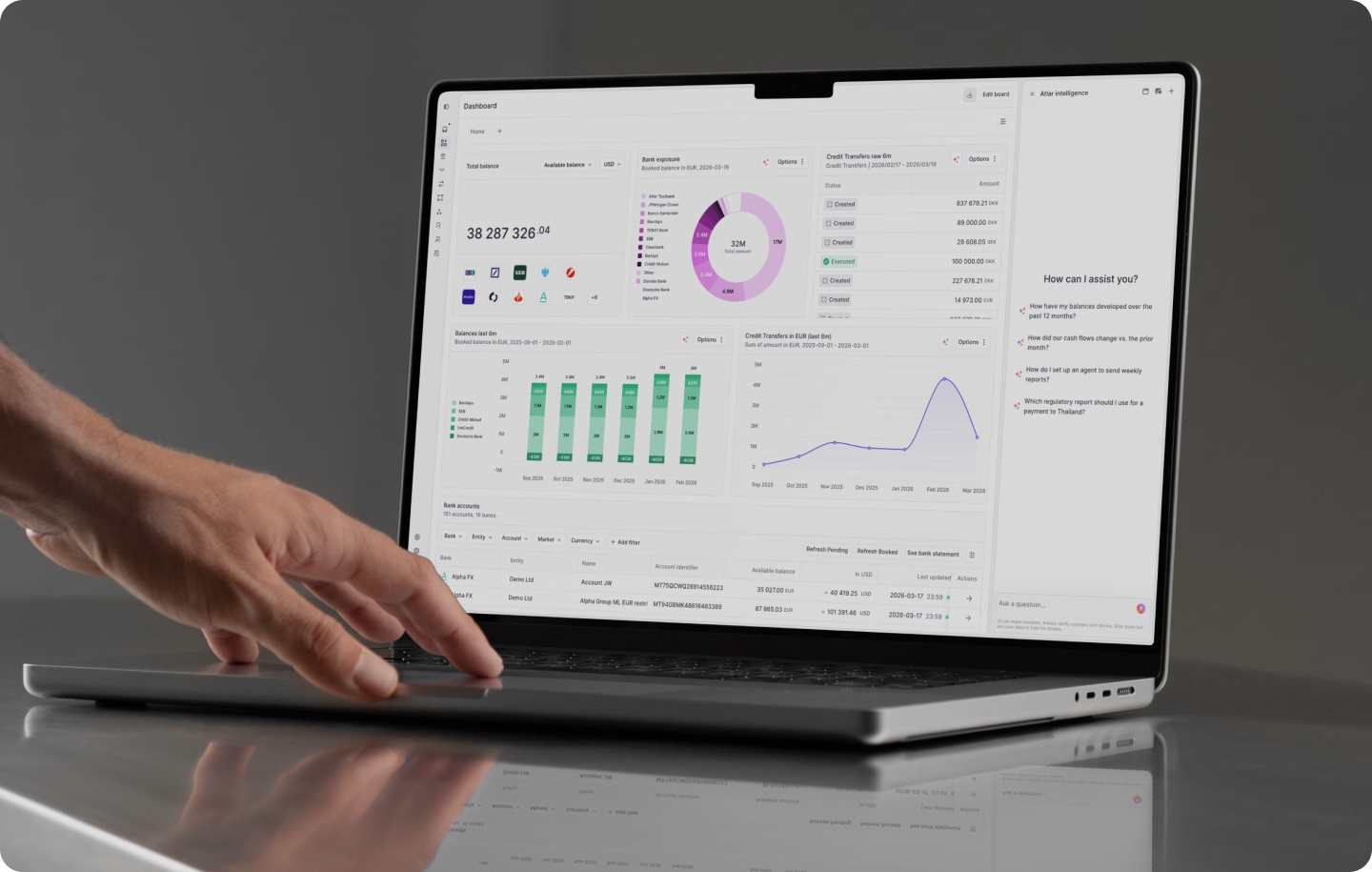
Below, Atlar’s bank connectivity inside Stacks, where a user is turning on bank statements for an agent task.
How Stacks customers connect their banks
Epidemic Sound, Mangopay, Neko Health, and Nivoda use both platforms and will be among the first to bring their Atlar bank data into Stacks. Their banks are already connected to Atlar, so there's no new bank onboarding. Each company authorizes Stacks from its own Atlar account and decides which data Stacks can read. From then on, treasury and accounting work from the same statements, and the cash position in Atlar and the balances in the ledger rest on the same bank records.
For Stacks customers who don't use Atlar yet, Atlar's team connects their banks and handles the onboarding with each one. AI-native ERPs use the same connectivity to bring bank data into the general ledger.
See Atlar with Stacks
Get a live walkthrough of Atlar's bank connectivity and how it feeds the close.
What the founders say
Joel Nordström, Co-founder and CEO at Atlar:
“Finance teams want agents in the close, and the first thing those agents need is every transaction from every bank, in full. That's what we've spent years building, and now Stacks' agents can work from it across all their customers' banks.”
Albert Malikov, Founder and CEO at Stacks:
“Bank reconciliation is where most of the hours in the close go, and it's only as good as the data behind it. Atlar gives our agents structured statements across our customers' banks and countries, so they can match more on their own and keep reconciliation current through the month.”
To see Atlar's bank connectivity for yourself, request a demo or get in touch with our team.
About Atlar
Atlar is the AI-native treasury platform used by today's leading growth companies to manage cash, payments, forecasting, and liquidity in one place. Teams at Lovable, Mangopay, Storytel, Tide, Trustly, and Zilch use Atlar to connect their banks and ERPs in a single platform, save thousands of hours of manual work, unlock idle cash, and reduce errors at scale. Atlar is backed by General Catalyst and Index Ventures and an official partner of NetSuite, Citi, HSBC, and others.
About Stacks
Stacks is an agentic AI platform for enterprise finance. Its agents work alongside the ERP to automate reconciliations, journal entries, flux analysis, and reporting, so finance teams can close faster and spend more time on analysis. Stacks is headquartered in London and backed by Lightspeed, EQT Ventures, General Catalyst, and S16VC.